New: the Peri Planner. Describe your week and we'll build your menu. Try it now

For the people who love her

Menopause is a team sport

If someone you love is going through perimenopause, this page is for you: the husbands, partners, friends and family who want to help but aren't sure how. Short version: cook. We'll show you what and why. And if you're the woman at the centre of the circle, send this to yours; it says the things you shouldn't have to keep explaining.

  • No biology degree needed
  • Three habits and one shopping list
  • Every recipe explains its why
A candid weeknight moment: a man cooks at the hob while his partner, wearing the ecru Phoenix Tee, leans on the counter with a mug of tea, laughing at something he said

Fewer flushes soy & flax on the menu

Deeper sleep magnesium at dinner

Steadier energy protein first

"He took over Tuesdays. It sounds small; it wasn't."
From our community
The two-minute version

What's actually happening

No biology degree needed. Here's what perimenopause changes, in the plainest terms we could manage.

Hormones are shifting, for years

Perimenopause isn't a moment; it's a transition that typically lasts four to eight years, often starting in the early-to-mid 40s. Oestrogen doesn't fade gently; it swings, which is why symptoms can feel unpredictable.

It's much more than hot flushes

Broken sleep, brain fog, mood swings, aching joints, anxiety, and a metabolism that suddenly plays by different rules. She isn't imagining any of it, and she isn't "just tired". Believing her is half the job.

Food genuinely moves the needle

Protein protects the muscle that keeps her metabolism running. Soy and flaxseed are linked to fewer hot flushes in clinical trials. Calcium and vitamin D protect bones when they're most vulnerable. Dinner is not a small thing right now.

Practical support

How to actually help, starting tonight

You don't need to become a nutritionist. You need three habits and a shopping list.

Do your share of dinners

"What's for dinner?" is one of those invisible jobs that still lands on women far more often than not. Don't take it over; take your turn. Pick a night, own the whole thing (choosing, shopping, cooking), and every recipe here explains its own why as you go.

Upgrade the defaults, together

Swap white rice for wholegrain, add a handful of edamame to whatever's cooking, keep Greek yoghurt and berries in the fridge. Agree the swaps together first: what the household eats is a shared decision, not something to quietly manage around her.

Don't make food a battleground

This is support, not a health intervention. No commentary on portions, no "should you be eating that?", no weigh-ins. Cook good food, eat it together, and let the recipes do their quiet work.

Words matter

Say this, not that

Borrowed from the women in our community: the things that helped, and the things that really didn't.

Helps

  • "I've got dinner tonight." Then actually have dinner.
  • "That sounds exhausting. What would make today easier?"
  • "I read that broken sleep is one of the biggest symptoms. I had no idea."
  • "Fancy a walk after dinner?" Movement helps, company helps more.
  • Saying nothing and quietly restocking the good snacks.

Doesn't

  • "Is this a menopause thing?", during a disagreement. Never.
  • "My mum just got on with it."
  • "Should you be eating that?" Food policing backfires, always.
  • "You don't look menopausal." It's not a look.
  • Treating it as her project. It's a household change, not a diet.
Start here

What to cook tonight

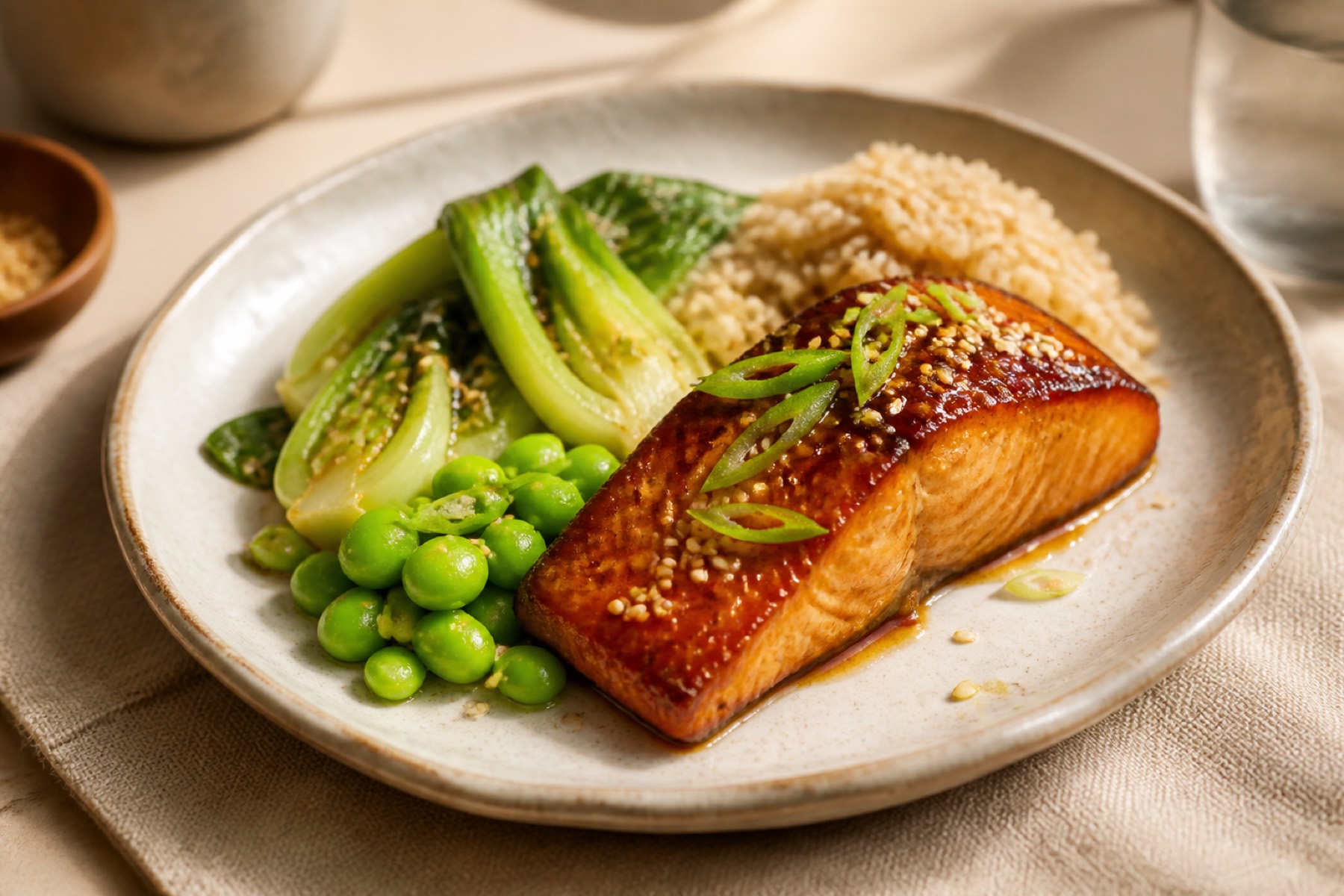
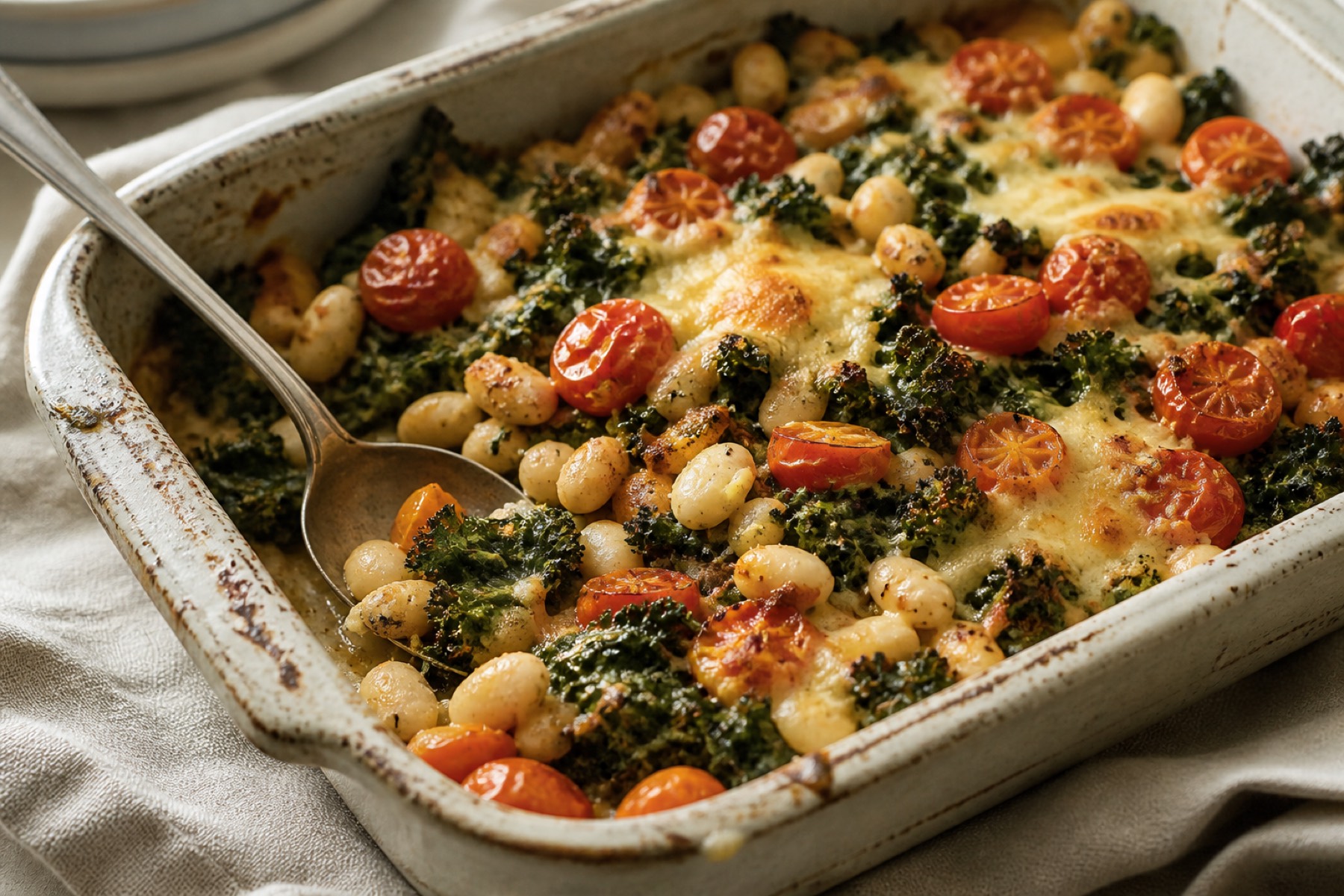
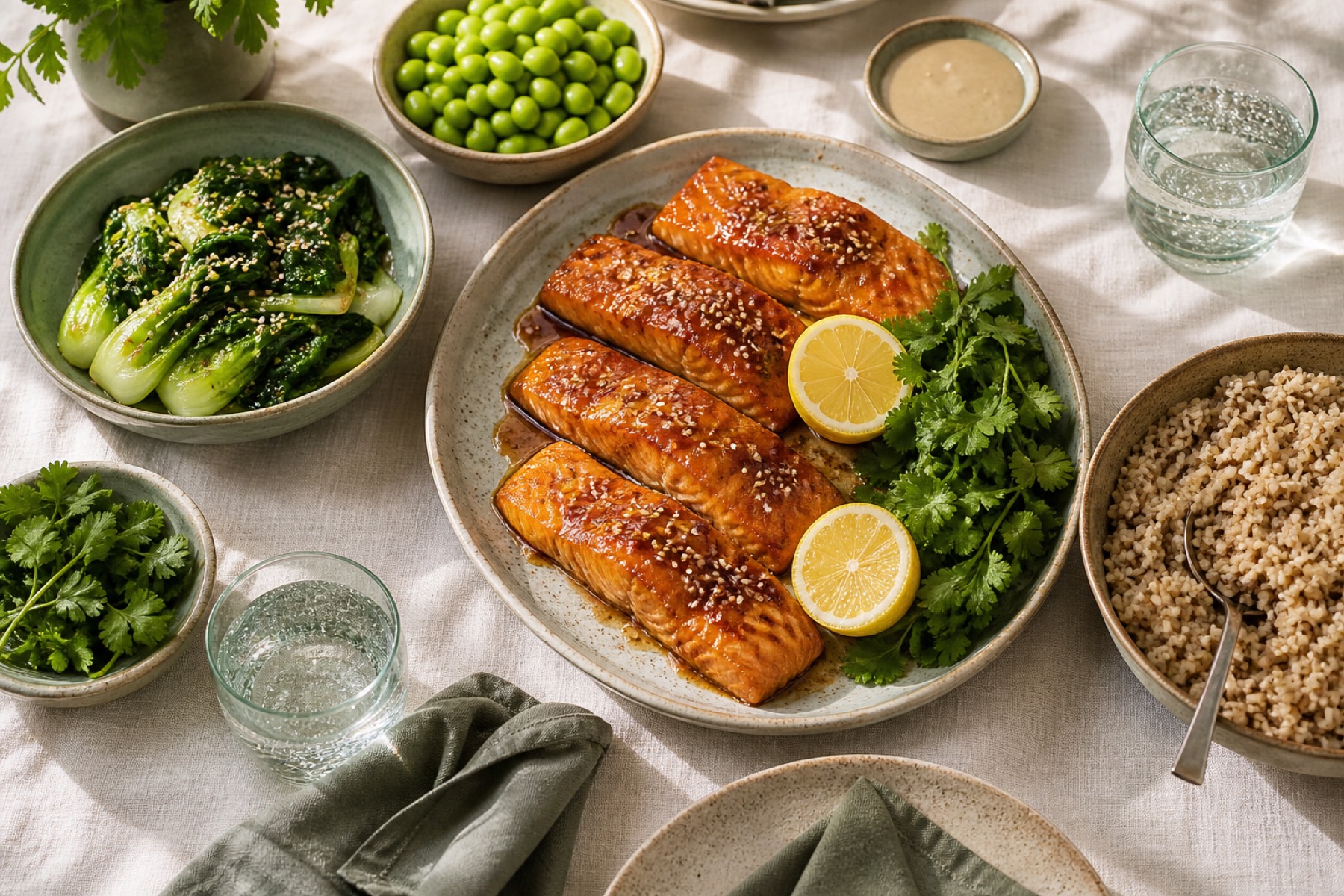
Three recipes chosen for cooks of any confidence level. Each one explains the science as you go, so you'll know exactly why it helps.

More quick, foolproof recipes

New

Don't want to pick? Plan the week together.

Sit down with the Peri Planner together: describe the week and your household, and it builds the whole menu. Then you do the cooking.

Try the Peri Planner